Should Therapists Use SEO While Protecting Client Privacy? Reading the Client Journey, the Five Steps and the Sample Inquiry Growth
A question-and-answer guide to SEO for mental health practices: why sites struggle to attract clients, 5 respectful organic steps, a weak vs stronger table, a sample inquiry graph, ethics and privacy rules and FAQs.

Mental health practice SEO is the organic work of helping people who are looking for therapy, counseling or psychiatric care find your practice, in a way that is respectful, accurate and protective of their privacy. People often search quietly and carefully before they reach out, and what they read in those first few minutes can decide whether they call. Practices that use cold, clinical language, hide how to start or collect too much information early can lose the very people they want to help. This guide explains, in a question-and-answer format, how to build an organic search presence in five steps, with a sample result and a checklist for ethics and privacy. It does not use paid advertising.
Key Findings
- 5 steps build a respectful search presence: understanding how people search, writing clear service and clinician pages, making the first step easy, protecting privacy and reviewing results.
- In the illustrative model below, monthly organic new-patient inquiries rise from 14 to 49 when all five steps are in place.
- An easy, low-pressure first step gives the biggest lift in the sample, because many people need a short, private way to ask a question before booking.
- 4 numbers are enough to track progress: organic visits to service pages, inquiries, booked first sessions and time to first response.
- All figures in this article are illustrative examples, not guaranteed results.
What Is Mental Health Practice SEO?
It is SEO that matches the way people describe what they are going through and what kind of help they want. People search for things like "therapist for anxiety near me," "couples counseling" or "does therapy work for teens," not for formal diagnoses. Good SEO answers those questions, shows who the clinicians are and makes it easy to reach out. It uses the same foundations as healthcare keyword research and the page structure in our guide to conditions, treatments and providers.
Why Do Many Mental Health Websites Struggle to Attract Clients?
Most struggle because pages are too general, too clinical or too hard to act on. Common causes include:
- One "Services" page lists everything, so no page matches a specific search.
- Language is full of jargon and gives no sense of what a first session is like.
- Clinician pages do not say who they work best with, their approach or their availability.
- The only way to start is a long intake form or a phone number during office hours.
- Insurance, fees and telehealth details are missing, which are some of the first things people want to know.
How Can Mental Health Practices Build an Organic Search Presence? 5 Steps
1. Learn How People Search
Start with the words clients actually use. Ask new clients how they searched, look at your search reports in Google Search Console and review common questions from calls and emails. Group them by need, such as anxiety, depression, trauma, couples, teens or adults, and by format, such as in person or telehealth.
2. Write Clear Service and Clinician Pages
Give each main need its own page, written in a warm, plain voice. Explain what the service is, who it helps, what a first session looks like and what happens next. Write clinician bio pages that show credentials, approach, languages and the people each clinician works with. Add a FAQ section with answers about confidentiality, cost and what to expect.
3. Make the First Step Easy and Low-Pressure
Offer more than one way to reach out. A short contact form that asks only for a name and a way to reach the person, a phone line with a clear callback promise and an online booking option for a first call can work together. Keep the form short, following the ideas in our guide to healthcare landing pages, and tell people when they can expect a reply. Add a clear insurance and fees page.
4. Protect Privacy at Every Step
Privacy is part of the service. Do not ask for details about symptoms or history in a public form, use secure channels for any clinical information and do not send visitor data to advertising or analytics tools that are not covered by your agreements. Review your forms and tags as part of a healthcare SEO audit, and make sure the site meets accessibility basics.
5. Review Results and Update Regularly
A quarterly review keeps the site accurate and helpful. Check which pages bring visits and inquiries, update clinician availability and fees, and keep your Google Maps listing and local citations consistent. Handle reviews carefully, as described in healthcare reputation management, and never confirm that someone is a client.
| Area | Common weakness | Stronger approach |
|---|---|---|
| Pages | One general services page | One clear page per main need |
| Language | Clinical jargon | Warm, plain words and a clear first-session description |
| Clinician pages | Name and title only | Approach, credentials, languages and who they help |
| First step | Long intake form | Short form, call option and a reply promise |
| Privacy | Tracking and open forms | Secure forms and limited data collection |
How Many Inquiries Can an Organic Plan Bring? A Sample Graph
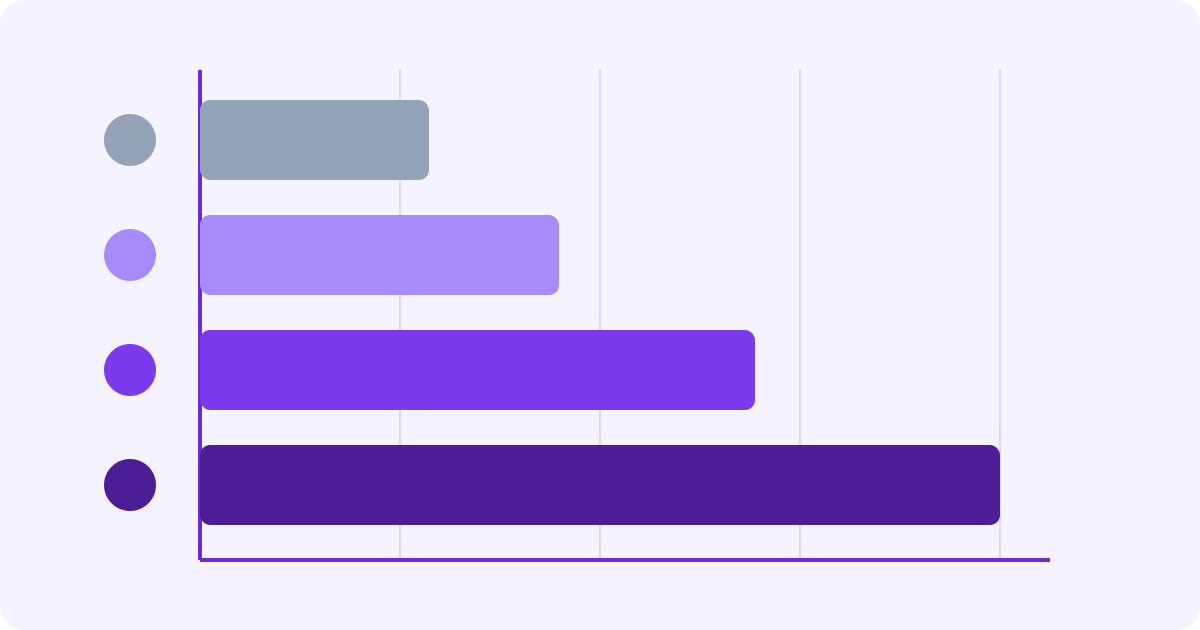
In this illustrative example for a group therapy practice, monthly organic new-patient inquiries rise from 14 to 49. The bars run from top to bottom in the same order as the table below, and each block (█) equals 3 inquiries.
| Stage | Organic inquiries per month | Bar chart |
|---|---|---|
| One general services page | 14 | █████ |
| Plus a page for each main need | 22 | ███████ |
| Plus clinician pages and FAQs | 34 | ███████████ |
| Plus an easy first step and quarterly review | 49 | ████████████████ |
What Should Practices Measure?
Four measures show whether the site helps people reach out.
- Organic visits to service and clinician pages.
- Number of inquiries and the share that become first sessions.
- Average time to the first reply, which affects whether people stay.
- Waitlist length and clinician availability, which you should keep accurate on the site and within your patient retention plan.
What Ethics and Privacy Rules Apply?
Mental health marketing needs extra care, because the audience may be vulnerable.
- Do not promise cures, guaranteed outcomes or quick fixes, and do not use fear or shame to attract visits.
- Follow your licensing board and professional ethics rules on advertising, testimonials and public statements.
- Never ask for or display confidential details in public forms, reviews or replies, and follow HIPAA and any stricter state rules.
- Make clear that a website is not a crisis service. In the United States, include a visible note that anyone in crisis should call or text 988 or call emergency services.
- Have your compliance or legal advisor review pages, forms and tracking tools.
Methodology and Limitations
The numbers in this article come from an illustrative model created by Nova Reach Digital to show how each step may affect organic inquiries. They are not drawn from a published study or a specific practice, and no one can guarantee rankings or inquiries. Results depend on location, competition, clinician availability and how quickly inquiries are answered. This article is general information and not clinical, legal or professional advice.
Related Reading
- Healthcare E-E-A-T
- Patient testimonials
- Healthcare AI Overviews guide
- Multilingual healthcare SEO
- Service, town and practice title tags
- Warm meta descriptions for local clinics
Conclusion
Mental health SEO works when the website feels like a calm, honest first conversation. Write clearly, show real clinicians, make the first step easy and protect privacy at every turn. If you want help with organic search for a mental health practice, contact Nova Reach Digital or read more about our healthcare marketing services.
Get Directions
Frequently Asked Questions
Keep reading
What Are the Top Email Marketing Automation Tools for Small Businesses? Reading the Tool Comparison, the Five Steps and the Sample Email Bookings
A question-and-answer guide to choosing among the top email marketing automation tools for small businesses: what they do, why programs underperform, 5 steps, a weak vs stronger table, a sample bookings chart, rules and FAQs.
What Are the Top Social Media Automation Tools for Small Businesses? Reading the Tool Comparison, the Five Steps and the Sample Posting Time
A question-and-answer guide to choosing among the top social media automation tools for small businesses: what to automate, why accounts feel robotic, 5 steps, a weak vs stronger table, a sample time-savings chart, rules and FAQs.
How Do You Choose Among the Top Digital Marketing Agencies in NYC? Reading the Agency Types, the Five Steps and the Sample Cost Per Customer
A question-and-answer guide to choosing among the top digital marketing agencies in NYC: what agencies do, why businesses switch, 5 steps to choose, an agency-types table, a sample cost-per-customer chart, rules and FAQs.
Put These Ideas to Work with NovaReach
Automate your marketing, launch AI voice agents, and keep every lead moving, all from one dashboard.