Does Healthcare E-E-A-T Build Trust With Patients and Search Engines? Reading the Trust Signals, the Five Steps and the Sample Coverage Data
A question-and-answer guide to healthcare E-E-A-T: why health pages fail the trust test, 5 steps from named reviewers to yearly review, an anonymous vs trusted table, a sample coverage graph, rules and FAQs.

Healthcare E-E-A-T stands for experience, expertise, authoritativeness and trustworthiness, and it describes the signals that show a health page was written and reviewed by qualified people who can be trusted with a patient's decision. Search engines treat health topics as high stakes, so pages with no named author, no credentials and no sources are easy to doubt. Patients doubt them too. This guide explains, in a question-and-answer format, how clinics and hospitals can build E-E-A-T into their pages in five steps, with a sample result and a checklist for accuracy. All methods are organic, and E-E-A-T is a quality framework, not a ranking switch.
Key Findings
- 5 steps build E-E-A-T: named authors and reviewers, visible credentials, cited sources, honest practice information and a regular review.
- In the illustrative model below, the share of key pages with a named author or reviewer, credentials and sources rises from 12% to 90% when all five steps are in place.
- Clinical review with a visible date gives the biggest jump in the sample, because it is the clearest sign that a real expert checked the page.
- 4 numbers are enough to track progress: pages with a reviewer, pages with sources, pages reviewed in the last 12 months and complaints about accuracy.
- All figures in this article are illustrative examples, not guaranteed results or ranking promises.
What Is E-E-A-T in Healthcare?
It is a way to judge whether a health page deserves trust. Experience means real first-hand knowledge of caring for patients. Expertise means qualified clinicians. Authoritativeness means being a recognized source in your field and community. Trustworthiness means accurate, honest and safe information. It is closely related to your visibility in AI Overviews, because AI tools also prefer content with clear authorship and sources.
Why Do Many Healthcare Pages Fail the Trust Test?
Most pages fail because they look anonymous. Common causes include:
- The page has no author, reviewer or date.
- Credentials are missing, or only a stock photo is shown.
- Claims such as "best" or "proven" appear with no support.
- No sources are named for medical statements.
- Contact details, policies and practice information are hard to find.
How Can Practices Build Healthcare E-E-A-T? 5 Steps
1. Name the Author and the Clinical Reviewer
Every health page should show who wrote it and who checked it. Add a short byline, such as "Reviewed by Dr. Jane Smith, MD, on March 3," and link it to the clinician's provider bio page. Get the clinician's permission and keep the information accurate.
2. Show Real Credentials and Experience
Make expertise visible, not assumed. Show licenses, board certification, years of practice, areas of focus and languages on provider pages. Real photos of the clinic and team help, and so does a plain description of what a clinician does for patients, which also supports consented patient testimonials.
3. Cite Trusted Sources for Medical Statements
Give readers a way to check what you say. Link to public health agencies, professional societies and peer-reviewed sources for facts, and keep your own statistics specific and dated. Use the structure from our guide to healthcare FAQ pages, with a short direct answer followed by the source.
4. Make Practice Information Clear and Honest
Trust includes the basics. Show your address, phone, hours, privacy policy and how to reach a real person. Keep your details consistent across local listings, answer reviews with care using reputation management principles and publish an insurance accepted page that is accurate and dated.
5. Review and Update Content on a Schedule
Old medical content loses trust fast. Review each key page at least once a year, and sooner if guidance changes, using the calendar approach in our guide to a healthcare content calendar. Include E-E-A-T checks in your SEO audit.
| Signal | Anonymous page | Trusted page |
|---|---|---|
| Author | No byline | Named author and clinical reviewer with date |
| Credentials | Stock photo and job title | License, board certification and real experience |
| Sources | Unsupported claims | Linked public health and professional sources |
| Practice details | Hard to find | Clear address, phone, hours and policies |
| Upkeep | Never reviewed | Reviewed at least once a year |
How Much Trust Coverage Can a Practice Build? A Sample Graph
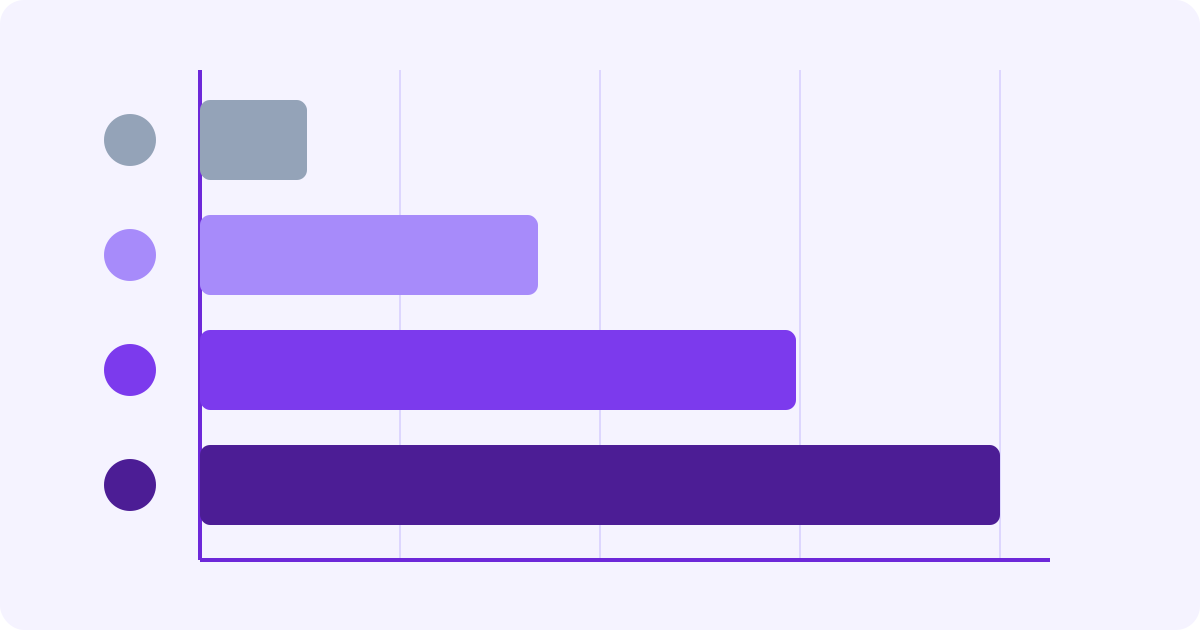
In this illustrative example for a three-location clinic, key pages with a named reviewer, credentials and sources rise from 12% to 90%. The bars run from top to bottom in the same order as the table below, and each block (█) equals about 5 percentage points.
| Stage | Key pages with trust signals (%) | Bar chart |
|---|---|---|
| Anonymous pages | 12 | ██ |
| Plus named authors and reviewers | 38 | ████████ |
| Plus credentials and cited sources | 67 | █████████████ |
| Plus practice details and yearly review | 90 | ██████████████████ |
What Should Practices Measure for E-E-A-T?
Four measures show whether trust signals are growing.
- Percentage of key pages with a named author or reviewer and a review date.
- Percentage of medical statements with a linked trusted source.
- Pages reviewed in the last 12 months and pages overdue for review.
- Patient and reviewer feedback about accuracy, plus changes in organic visits tracked in Google Search Console.
What Rules Apply to Trust Signals?
Trust signals must be real, or they do harm.
- Never invent a reviewer, a credential or a source, and never list a clinician without permission.
- Do not claim awards, rankings or results that you cannot support.
- Do not diagnose or give personal medical advice on general pages, and say when to seek urgent care.
- Keep patient information out of examples and testimonials unless written permission under HIPAA is on file.
- Follow state and professional advertising rules, and ask your compliance advisor to review.
Methodology and Limitations
The numbers in this article come from an illustrative model created by Nova Reach Digital to show how each step may affect the share of pages with trust signals. They are not drawn from a published study or a specific website. E-E-A-T is a quality framework rather than a direct ranking factor, and no one can guarantee rankings. Results depend on content, competition and reputation. This article is general information and not legal or medical advice.
Related Reading
- Healthcare content marketing
- Healthcare brand awareness
- Healthcare link building
- Healthcare digital PR
- Healthcare website accessibility
Conclusion
E-E-A-T is built page by page: a named expert, a clear credential, a cited source and an honest set of practice details. Start with your most visited service pages and work outward. If you want help building trust signals on your site, contact Nova Reach Digital or read more about our healthcare marketing services.
Get Directions
Frequently Asked Questions
Keep reading
What Are the Top Email Marketing Automation Tools for Small Businesses? Reading the Tool Comparison, the Five Steps and the Sample Email Bookings
A question-and-answer guide to choosing among the top email marketing automation tools for small businesses: what they do, why programs underperform, 5 steps, a weak vs stronger table, a sample bookings chart, rules and FAQs.
What Are the Top Social Media Automation Tools for Small Businesses? Reading the Tool Comparison, the Five Steps and the Sample Posting Time
A question-and-answer guide to choosing among the top social media automation tools for small businesses: what to automate, why accounts feel robotic, 5 steps, a weak vs stronger table, a sample time-savings chart, rules and FAQs.
How Do You Choose Among the Top Digital Marketing Agencies in NYC? Reading the Agency Types, the Five Steps and the Sample Cost Per Customer
A question-and-answer guide to choosing among the top digital marketing agencies in NYC: what agencies do, why businesses switch, 5 steps to choose, an agency-types table, a sample cost-per-customer chart, rules and FAQs.
Put These Ideas to Work with NovaReach
Automate your marketing, launch AI voice agents, and keep every lead moving, all from one dashboard.