How Can Hospitals Stop Losing Referred Patients? Reading the Referral Journey, the Five Automation Steps and the Sample Completion Data
A question-and-answer guide to patient referral management automation: why referrals are lost, 5 automation steps, a manual vs automated table, a sample completion-rate graph, key metrics and FAQs.

Referral management automation is a system that records every patient referral digitally, tracks it until the patient is seen and keeps the referring doctor informed. Referrals come from other clinics, general practitioners, corporate partners and sometimes other hospitals, and they are a steady source of new patients. Yet many referrals are lost between a phone call and a paper slip, with nobody following up. This guide explains, in a question-and-answer format, how referral automation works, what a sample result looks like and how to begin.
Key Findings
- 5 steps cover the referral journey: digital capture, instant confirmation, status tracking, reminders to the patient and feedback to the referrer.
- In the illustrative model below, the share of referred patients who complete their visit rises from 38% to 82% when all steps are active.
- Tracking is the biggest single jump in the sample, moving completion from 54% to 69%, because staff can finally see which referrals are stuck.
- 4 numbers are enough to manage referrals: referrals received, completion rate, time to first appointment and reports sent back.
- All figures in this article are illustrative examples, not guaranteed results. Real numbers depend on your referral sources, specialties and current process.
What Is Referral Management Automation?
It is a workflow that turns every referral into a tracked record instead of a phone message or paper slip. A referring doctor or partner submits patient details through a simple form or WhatsApp link. The hospital system creates a case, assigns it to the right department, books or proposes an appointment and updates the status at each step. The referrer can see where the patient stands, and the hospital knows how many referrals arrive and how many convert.
Why Are So Many Referred Patients Lost?
Most referrals fail because nobody owns the follow-up. Common causes include:
- Referral details arrive by call, message or paper and are not recorded in one place.
- The patient is told to call for an appointment and never does.
- Staff do not know which referrals are waiting, so no one follows up.
- The referring doctor never hears back, so they stop sending patients.
- Reports and treatment summaries are not shared with the referrer.
How Can Hospitals Automate Referral Management? 5 Steps
1. Capture Every Referral Digitally
A single digital form gives every referral a record from the first minute. The form asks for patient name, phone number, reason for referral, urgency and any attached reports. Referrers can use a web link or WhatsApp, so it is easy for busy clinics.
2. Confirm and Assign Instantly
Quick confirmation shows the referrer that the hospital is responsive. The system sends an acknowledgment, assigns the case to the correct department and proposes appointment slots. Urgent referrals can be flagged for same-day attention.
3. Track Each Referral on One Dashboard
A status view stops referrals from being forgotten. Each case shows whether it is new, contacted, booked, completed or lost, with the owner and the date. Managers see stuck cases and can step in.
4. Remind the Patient to Book and Attend
Reminders turn intentions into visits. The patient receives a message with a booking link, a reminder before the appointment and directions to the hospital. If the patient does not respond, a staff member gets a task to call.
5. Send Feedback to the Referring Doctor
Closing the loop builds long-term referral relationships. After the visit, the referrer receives a status update and, with the patient's consent, a short summary or report. Doctors who hear back are more likely to refer again.
| Step | Manual way | Automated way |
|---|---|---|
| Receiving referrals | Calls, messages and paper slips | One digital form or WhatsApp link |
| Booking | Patient is asked to call | Slots proposed and booked with a link |
| Follow-up | Depends on individual memory | Dashboard with status and owner |
| Patient reminders | None or occasional calls | Automatic messages and call tasks |
| Referrer updates | Rare and manual | Automatic status and report sharing |
How Much Can Automation Improve Referral Completion? A Sample Graph
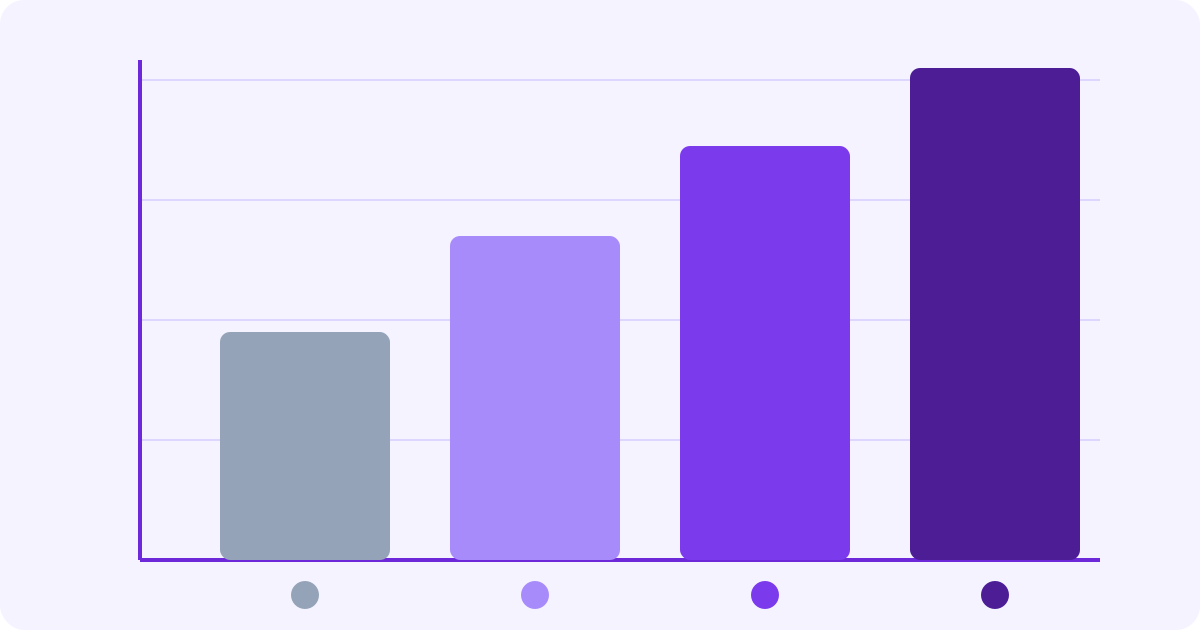
In this illustrative example for a specialty hospital, referral completion rises from 38% to 82%. The columns run from left to right in the same order as the table below, and each block (█) equals 5 percentage points.
| Stage | Referral completion (%) | Bar chart |
|---|---|---|
| Phone and paper referrals | 38 | ████████ |
| Plus digital referral form | 54 | ███████████ |
| Plus status tracking | 69 | ██████████████ |
| Plus reminders and referrer feedback | 82 | ████████████████ |
What Should Hospitals Measure for Referrals?
Four measures show whether the referral process is healthy.
- Number of referrals received, by source and by specialty.
- Completion rate: referrals that ended in a visit divided by referrals received.
- Average time from referral to first appointment.
- Percentage of completed referrals where the referrer received feedback.
Is Referral Automation Ethical and Compliant?
Yes, when it follows medical ethics and data protection rules. Keep these points in mind:
- Refer patients based on medical need and patient choice, never on payment for referrals, and follow your local laws on referral incentives.
- Share patient information only with consent and only with the people involved in the care.
- Limit access to referral records and keep an audit trail of changes.
- Use secure channels when sending reports and summaries.
- Follow local healthcare and data protection regulations.
Methodology and Limitations
The numbers in this article come from an illustrative model created by Nova Reach Digital to show how each step may affect referral completion. They are not drawn from a published study or a specific hospital. Real results depend on referral volume, patient urgency, staff capacity and how consistently the team follows up. A hospital should record its own baseline for at least a month before judging the effect of any change.
Conclusion
Referral automation helps hospitals keep the patients that other doctors trust them with, and helps those doctors see that their patients were cared for. If you need a referral management workflow that fits your hospital or clinic, contact Nova Reach Digital or read more about our healthcare automation services.
Get Directions
Frequently Asked Questions
Keep reading
What Are the Top Email Marketing Automation Tools for Small Businesses? Reading the Tool Comparison, the Five Steps and the Sample Email Bookings
A question-and-answer guide to choosing among the top email marketing automation tools for small businesses: what they do, why programs underperform, 5 steps, a weak vs stronger table, a sample bookings chart, rules and FAQs.
What Are the Top Social Media Automation Tools for Small Businesses? Reading the Tool Comparison, the Five Steps and the Sample Posting Time
A question-and-answer guide to choosing among the top social media automation tools for small businesses: what to automate, why accounts feel robotic, 5 steps, a weak vs stronger table, a sample time-savings chart, rules and FAQs.
How Do You Choose Among the Top Digital Marketing Agencies in NYC? Reading the Agency Types, the Five Steps and the Sample Cost Per Customer
A question-and-answer guide to choosing among the top digital marketing agencies in NYC: what agencies do, why businesses switch, 5 steps to choose, an agency-types table, a sample cost-per-customer chart, rules and FAQs.
Put These Ideas to Work with NovaReach
Automate your marketing, launch AI voice agents, and keep every lead moving, all from one dashboard.