Healthcare Marketing Funnel: A Complete Guide for Hospitals and Healthcare Brands
A complete guide to the healthcare marketing funnel for hospitals and healthcare brands: map the patient journey, build each stage, nurture inquiries with consent and measure results while protecting privacy.
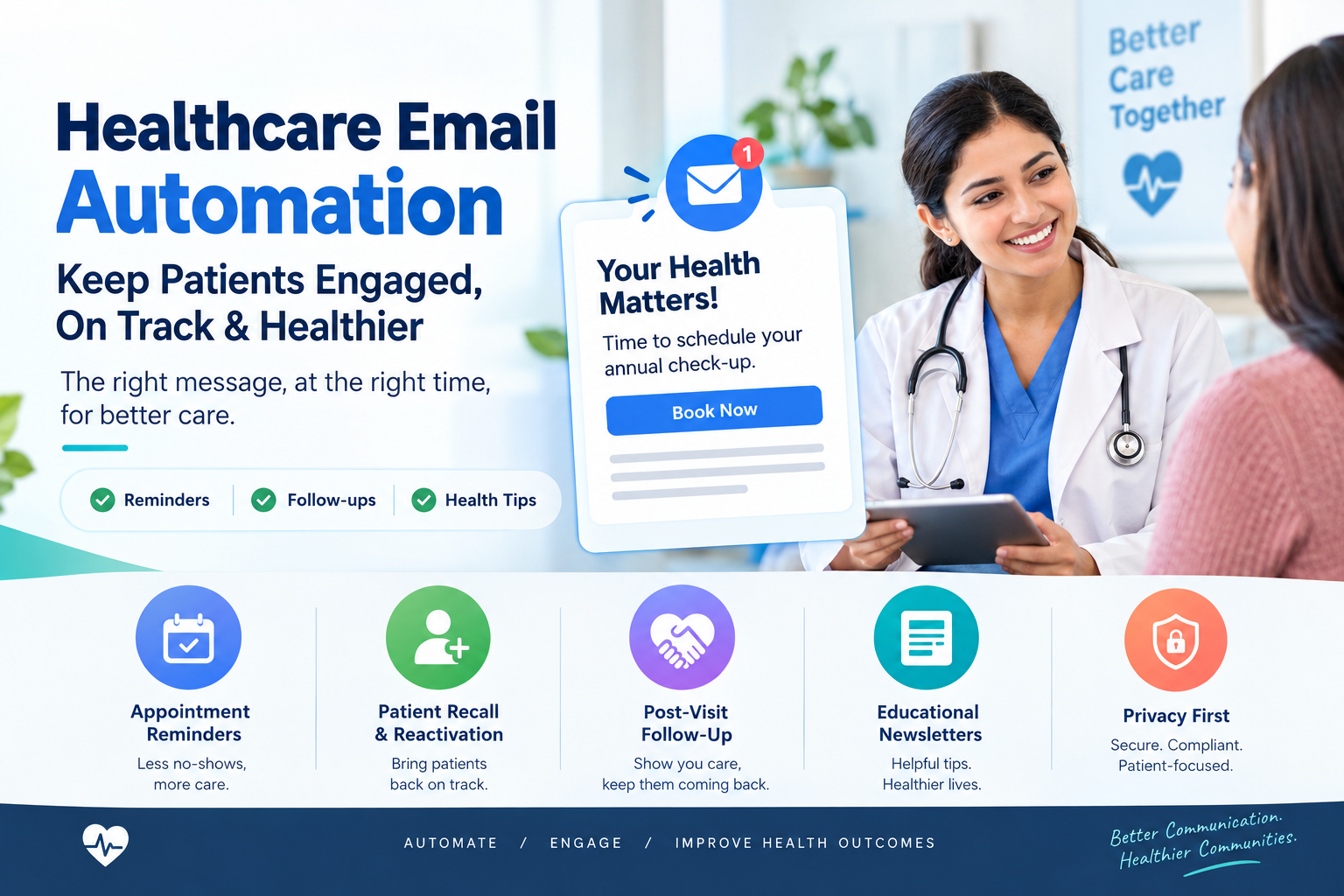
A patient rarely goes from never having heard of a hospital to booking a surgery in one step. They notice a name, search for information, read about a condition, compare providers, check reviews, call with a question and eventually decide. A healthcare marketing funnel is a way to map that journey so your organization can support patients at every stage, with the right information, in the right channel, at the right time. When the funnel works, patients feel guided rather than sold to, and your team spends effort where it matters most.
This guide explains how to build a healthcare marketing funnel for hospitals and healthcare brands in the USA, how it maps to the patient journey and where lead nurturing and automation fit, always with privacy, compliance and patient trust in mind.
What Is a Healthcare Marketing Funnel?
A marketing funnel is a model of how people move from first awareness to becoming and remaining customers. In healthcare, the funnel is really a patient journey. It is not a straight line, and it is shaped by urgency, trust, insurance, location and personal circumstances. Still, the funnel is a useful planning tool because it helps you decide what content, channels and follow-up each stage needs.
Funnel Stages and the Patient Journey
1. Awareness
Patients recognize a health need or become aware that a provider exists. They may search for symptoms, treatment options or "near me" services, hear about you from friends, see community outreach or notice a social post. Goals here are visibility and trust.
2. Consideration
Patients compare options. They read service pages, physician profiles and reviews, check insurance information and look for signs of quality and compassion. The goal is to be clear, credible and helpful.
3. Decision
Patients are ready to act. They call, request an appointment, submit a form or start a chat. The goal is to remove friction: easy scheduling, fast response and clear next steps.
4. Experience and Care
The visit, treatment or procedure. Marketing supports this stage with clear pre-visit instructions, reminders and smooth communication, though care quality is determined by clinical and operational teams.
5. Retention and Continuity
After care, patients need follow-up, preventive reminders, education and easy ways to return. The goal is continuity of care and long-term trust.
6. Advocacy
Satisfied patients share reviews and recommendations. The goal is to make it easy and appropriate for patients to share feedback.
Building Each Stage of the Funnel
Awareness Stage Tactics
- Educational content: Clinician-reviewed articles, guides and videos about common conditions, prevention and when to seek care.
- Local SEO: Complete Google Business Profiles, accurate listings and location pages.
- Community outreach: Health fairs, screenings and partnerships.
- Social media: Helpful posts, team introductions and community updates.
- Referral relationships: Information resources for primary care providers and community organizations.
Consideration Stage Tactics
- Service line pages: Clear explanations of what you treat, how care works and what to expect.
- Physician profiles: Credentials, specialties, languages and a friendly introduction.
- Reviews and patient feedback: Visible, managed responsibly and compliantly.
- Insurance and cost information: Plain explanations of accepted plans and how to get billing questions answered.
- Comparison and decision guides: For example, urgent care versus emergency room, or when to see a specialist.
- Chat and FAQ tools: Quick answers to common questions.
Decision Stage Tactics
- Easy scheduling: Online booking, click-to-call and text options on every key page.
- Fast response: Instant confirmations and prompt follow-up on inquiries.
- Call handling: Well-staffed phone lines, supported by AI call answering for after-hours and overflow.
- Clear next steps: What to bring, where to go and how to prepare.
- Accessibility: Language assistance and accessible formats.
Retention Stage Tactics
- Appointment reminders and follow-up messages.
- Preventive care and screening recall through email, text or portal messages.
- Patient education resources relevant to ongoing care.
- Satisfaction surveys and prompt service recovery.
Lead Nurturing in Healthcare
Not every inquiry becomes an appointment right away. Some people are researching for a family member, waiting for insurance changes, comparing providers or simply not ready. Lead nurturing means staying helpful until they are. In healthcare, nurturing must be respectful and consent-based:
- Use channels people agreed to. Collect and honor communication preferences and opt-outs.
- Keep messages informative. Share useful resources, answer common questions and invite questions, rather than pressuring.
- Avoid sensitive details. Do not reference diagnoses or health conditions in insecure channels or subject lines.
- Space messages out. A short sequence with clear stopping rules works better than constant outreach.
- Hand off to humans. When someone responds or asks a question, a staff member should take over promptly.
A Sample Nurture Sequence for a Service Line Inquiry
- Immediately: Confirm the request, share what happens next and provide a contact option.
- Within one to two days: If no appointment is booked, a team member or system follows up to help with scheduling.
- Day 3 to 5: Send a general educational resource about what to expect from the service, with no sensitive detail.
- Day 10: A friendly check-in with an easy scheduling link and a phone number.
- Day 30: A final low-pressure message, then move to a general newsletter list if the person has agreed to receive it.
Where AI and Automation Fit
- Lead capture and routing: Send forms, calls and chats into one system and route them to the right team.
- Instant response: Automatic confirmations and after-hours call and chat coverage.
- Follow-up sequences: Consent-based reminders and nurture messages.
- Reporting: Connect marketing activity to inquiries and appointments by service line.
- Content support: AI-assisted drafting of educational content that clinicians review.
Qualified people should remain responsible for clinical content, sensitive conversations and decisions about care.
Privacy and Compliance Reminders
- Work with compliance and legal teams to understand how HIPAA and other rules apply to your tracking, forms, call recordings and messaging.
- Review website tracking tools on pages related to appointments, conditions or patient portals.
- Obtain and document consent where required.
- Avoid targeting or messaging that could reveal or imply a person's health condition.
- Include accessibility and language access in every stage.
This is general information, not legal advice.
Metrics for Each Stage
- Awareness: Organic traffic, impressions, branded searches, social reach.
- Consideration: Time on service pages, physician profile views, review volume and rating.
- Decision: Calls, appointment requests, form submissions, speed to response.
- Experience: No-show rates, patient satisfaction, call answer rate.
- Retention: Recall completion, repeat visits, portal usage.
- Advocacy: Review growth, referrals, net promoter-style scores.
Common Funnel Mistakes
- Focusing only on the bottom of the funnel. Patients need trust before they call.
- Slow follow-up. Inquiries left unanswered are lost.
- Using generic marketing language. Healthcare audiences value clarity and empathy.
- Ignoring the post-visit stage. Retention and continuity are central to healthcare.
- Disconnected systems. Forms, calls and scheduling that do not connect create friction and data gaps.
- Skipping compliance review.
Final Thoughts
A healthcare marketing funnel helps hospitals support patients from first search to ongoing care. Map the journey, strengthen each stage with helpful content and easy access, nurture with respect and keep privacy and trust at the center. If you would like help building a healthcare marketing funnel and lead nurturing system for your hospital or healthcare brand, Nova Reach Digital can help you plan and implement it.
Frequently Asked Questions
Keep reading
Hospital SEO Services for Competitive Markets for Local Healthcare Providers
How local healthcare providers use hospital SEO services in competitive markets: accurate listings, Google Business Profile, community service pages, reviews and mobile-first booking.
Hospital SEO Services for Competitive Markets for Hospital Marketing Teams
How hospital marketing teams use hospital SEO services in competitive markets: service line priorities, content standards, clinical review workflows, technical coordination and leadership reporting.
Hospital SEO Services for Competitive Markets for Medical Practices
How medical practices use hospital SEO services in competitive markets: clear service and provider pages, accurate local listings, reviews, easy booking and privacy-aware reporting.
Put These Ideas to Work with NovaReach
Automate your marketing, launch AI voice agents, and keep every lead moving, all from one dashboard.