How Does Healthcare Link Building Earn Trust and Rankings? Reading the Link Audit, the Five Steps and the Sample Referring-Site Growth
A question-and-answer guide to healthcare link building: why efforts fail, 5 organic steps from a link audit to monthly review, a weak vs strong table, a sample referring-sites graph, what to avoid and FAQs.

Healthcare link building is the practice of earning links to your hospital or clinic website from trustworthy sites such as local news, universities, health associations, community groups and partner providers. Search engines treat these links as votes of confidence, and in healthcare, where trust matters most, the quality of those votes counts far more than the number. This guide explains, in a question-and-answer format, how to earn healthcare backlinks in an organic and ethical way, in five steps, with a sample result and a checklist of what to avoid.
Key Findings
- 5 steps build a healthy link profile: a link audit, useful link-worthy pages, local and community outreach, expert partnerships and a monthly review.
- In the illustrative model below, quality referring websites gained over six months rise from 3 to 24 when all five steps are in place.
- Useful, original pages are the base of the plan, because nobody links to a page that offers nothing new.
- 4 numbers are enough to track progress: new quality referring sites, lost links, relevance of linking sites and organic visits to the linked pages.
- All figures in this article are illustrative examples, not guaranteed results. Buying links, link swaps at scale and spammy directories are not part of this plan.
What Is Healthcare Link Building?
It is the work of giving other websites a good reason to link to yours. A link from a respected local news site, a university program or a state health association shows search engines that real organizations trust your practice. It supports all your healthcare SEO keywords, and it works best on top of a solid site structure, as described in our website blueprint for small hospitals. Our team also offers backlinking services built on the same principles.
Why Do Many Healthcare Link Building Efforts Fail?
Most efforts fail because they chase quantity or ignore what makes a link worth giving. Common causes include:
- Buying links or joining link schemes, which break search engine guidelines and put rankings at risk.
- Listing the site on low-quality directories with no real audience.
- Asking for links without offering anything useful in return.
- Targeting sites that have nothing to do with health or the local area.
- Never checking whether the links stay live or send visitors.
How Can Practices Earn Healthcare Backlinks Organically? 5 Steps
1. Audit Your Current Links
Start by learning who already links to you and where you have gaps. List your referring sites, check for lost or broken links and note which pages attract links. Fix pages that have moved, and keep your site structure clean using the ideas in website architecture for multi-location hospitals.
2. Create Pages That Deserve Links
Give other sites something worth citing. Examples include a local health resource guide, a clear explainer on a common condition reviewed by a clinician, a service-area map or a short report on community health topics. These pages work well when they follow the structure in our guides to healthcare FAQ pages and healthcare content marketing.
3. Reach Out to Local and Community Sites
Local relevance is a strength for most practices. Local news, schools, chambers of commerce, sports clubs, charities and neighborhood associations often link to health partners. Offer a useful resource, a clinician as a source or a sponsored community event page, and keep every message honest and personal.
4. Build Expert and Partner Relationships
Experts earn links by being useful. Offer your clinicians as sources for journalists and bloggers, contribute guest articles to professional associations, and link with partner clinics and referral sources. Strong physician bio pages give those sources a clear place to link, and a good referral marketing program builds the relationships behind them.
5. Review Links Monthly
A short monthly review keeps the profile healthy. Record new links, lost links and any suspicious ones, and check that your local citations and listings still match your website. Protect trust further with a steady reputation management routine.
| Step | Weak approach | Strong approach |
|---|---|---|
| Starting point | No idea who links to the site | Audit of current and lost links |
| Content | Generic pages nobody cites | Original, clinician-reviewed resources |
| Outreach | Mass emails to random sites | Personal outreach to local and relevant sites |
| Relationships | One-time asks | Ongoing expert and partner relationships |
| Review | Never checked | Monthly link report |
How Many Quality Links Can a Practice Earn? A Sample Graph
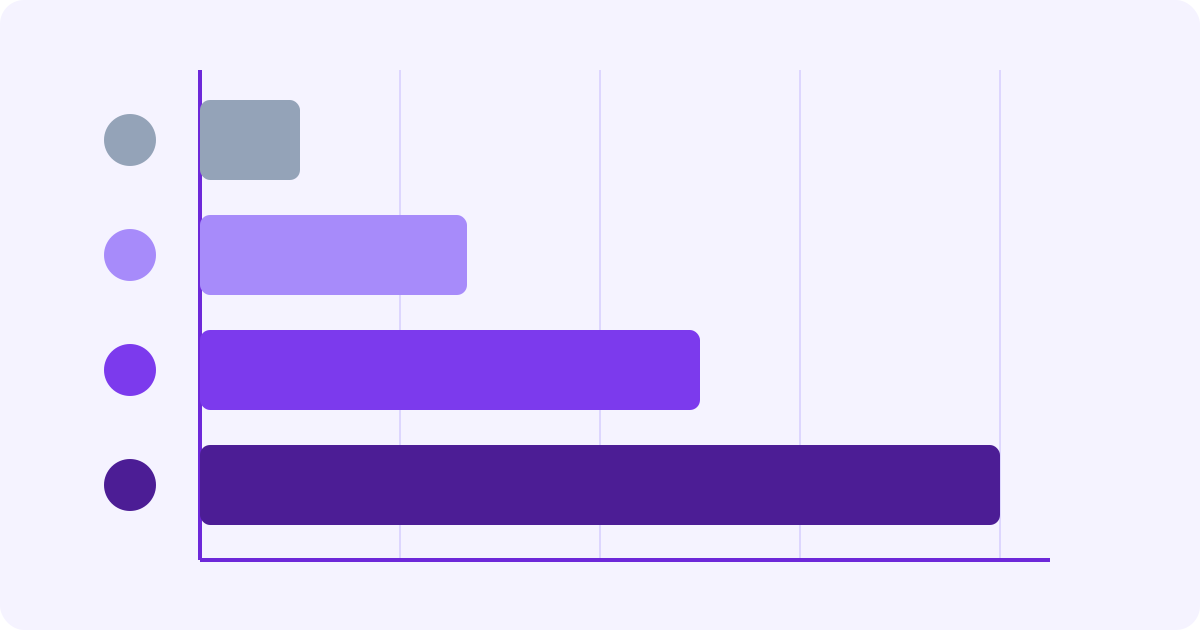
In this illustrative example for a three-location practice, quality referring sites gained in six months rise from 3 to 24. The bars run from top to bottom in the same order as the table below, and each block (█) equals 2 referring sites.
| Stage | New quality referring sites (6 months) | Bar chart |
|---|---|---|
| No plan | 3 | ██ |
| Plus audit and link-worthy pages | 8 | ████ |
| Plus local and community outreach | 15 | ████████ |
| Plus expert partnerships and monthly review | 24 | ████████████ |
What Should Practices Measure in Link Building?
Four measures show whether the links help.
- Number of new referring sites that are relevant, local or health-related.
- Number of links lost or broken each month.
- Organic visits to the pages that earned links.
- Improvement in ranking for your key service and location searches over several months.
Compare these with your brand awareness signals to see the full picture.
What Should Practices Avoid in Healthcare Link Building?
Shortcuts in link building can harm rankings and reputation.
- Do not buy links or pay for placements disguised as editorial content.
- Do not join large link exchanges or use automated tools to create links.
- Do not publish medical claims you cannot support just to attract links.
- Do not share patient stories or information without written permission under HIPAA.
- Follow the guidelines of the search engines and the rules of your profession.
Methodology and Limitations
The numbers in this article come from an illustrative model created by Nova Reach Digital to show how each step may affect the number of quality referring sites. They are not drawn from a published study or a specific website, and no one can guarantee links or rankings. Results depend on your market, content quality, relationships and time. This article is general information and not legal advice.
Related Reading
- Internal linking at scale for health systems
- Hub, spoke, book internal linking
- Google Maps marketing for healthcare
- Healthcare AI Overviews guide
- Specialty clinic site architecture
Conclusion
Link building in healthcare is a slow, honest effort to become a source that others want to cite. Create useful pages, build real relationships and review progress every month. If you want help with healthcare backlinks, contact Nova Reach Digital or read more about our healthcare marketing services.
Get Directions
Frequently Asked Questions
Keep reading
What Are the Top Email Marketing Automation Tools for Small Businesses? Reading the Tool Comparison, the Five Steps and the Sample Email Bookings
A question-and-answer guide to choosing among the top email marketing automation tools for small businesses: what they do, why programs underperform, 5 steps, a weak vs stronger table, a sample bookings chart, rules and FAQs.
What Are the Top Social Media Automation Tools for Small Businesses? Reading the Tool Comparison, the Five Steps and the Sample Posting Time
A question-and-answer guide to choosing among the top social media automation tools for small businesses: what to automate, why accounts feel robotic, 5 steps, a weak vs stronger table, a sample time-savings chart, rules and FAQs.
How Do You Choose Among the Top Digital Marketing Agencies in NYC? Reading the Agency Types, the Five Steps and the Sample Cost Per Customer
A question-and-answer guide to choosing among the top digital marketing agencies in NYC: what agencies do, why businesses switch, 5 steps to choose, an agency-types table, a sample cost-per-customer chart, rules and FAQs.
Put These Ideas to Work with NovaReach
Automate your marketing, launch AI voice agents, and keep every lead moving, all from one dashboard.