How Does Multilingual Healthcare SEO Reach Spanish-Speaking Patients? Reading the Language Pages, the Five Steps and the Sample Visit Growth
A question-and-answer guide to multilingual healthcare SEO for Spanish-speaking patients: why sites underperform, 5 steps from language needs to review by language, a weak vs strong table, a sample visits graph, language access rules and FAQs.

Multilingual healthcare SEO is the practice of creating and optimizing pages in the languages your patients speak, most often Spanish in the United States, so they can find, understand and book care in their own words. Many clinics serve large Spanish-speaking communities but publish only English pages, or run a machine translation that reads awkwardly and misses what people actually search. This guide explains, in a question-and-answer format, how to plan, write and manage multilingual pages in five steps, with a sample result and a checklist for accuracy and language access. All methods are organic.
Key Findings
- 5 steps build a multilingual presence: finding language needs, researching real search terms, writing with qualified translators, setting up language pages correctly and reviewing performance.
- In the illustrative model below, Spanish-language organic visits per month rise from 150 to 980 when all five steps are in place.
- Real search terms in Spanish matter most in the sample, because direct translation of English keywords often misses how people search.
- 4 numbers are enough to track progress: visits by language, bookings by language, pages translated and reviewed, and phone calls requesting an interpreter.
- All figures in this article are illustrative examples, not guaranteed results.
What Is Multilingual Healthcare SEO?
It is SEO for each language your patients use, treated as its own audience. It includes keyword research in the language, high-quality translated or originally written pages, clear language options and technical settings that tell search engines which page is for which language. It builds on the basics in our guide to healthcare keyword research and the structure in website architecture for multi-location hospitals.
Why Do Many Multilingual Healthcare Sites Underperform?
Most sites underperform because translation is treated as a last step. Common causes include:
- Only the home page is translated, so patients cannot find service or provider pages.
- Machine translation is published without review, which can create errors in medical terms.
- Titles and headings are translated word for word instead of matching local search terms.
- Language versions are not linked to each other, so search engines and patients cannot connect them.
- Local listings, reviews and forms are English only.
How Can Clinics Build Multilingual Healthcare SEO? 5 Steps
1. Identify the Languages Your Patients Need
Use real data, not guesses. Check patient language preferences in your records, interpreter requests, calls and community demographics. Decide which languages deserve full pages first, and keep a plan for interpreter services for the rest.
2. Research Search Terms in Each Language
People search differently in each language and region. Ask bilingual staff what patients say, check search suggestions and review community sources. For example, patients may use a plain phrase rather than the formal medical term. Use the same approach as in our guide to healthcare FAQ pages, starting with the questions that patients actually ask.
3. Write With Qualified Translators and Clinical Review
Accuracy matters more than speed. Use qualified healthcare translators or bilingual writers, and have a clinician check medical content. Write clear titles and descriptions in the language, following the ideas in service, town and practice title tags and meta descriptions for medical practices.
4. Set Up Language Pages Correctly
Make each language version easy to find and to connect. Use a clear URL structure, a visible language switcher, language tags that tell search engines which version is which and links between matching pages. Include your provider pages, which should list the languages each provider speaks, and update your local listings with the same details.
5. Review Performance by Language
Track each language on its own. Look at visits, bookings and questions by language every quarter, and update pages that attract visits but few bookings. Include the language pages in your SEO audit and your review replies.
| Step | Weak approach | Strong approach |
|---|---|---|
| Need | Assumed from guesses | Patient language data and interpreter requests |
| Keywords | Word-for-word translation | Real search terms in the language |
| Writing | Unreviewed machine translation | Qualified translator and clinical review |
| Setup | Unlinked language pages | Clear URLs, switcher and linked versions |
| Review | All traffic combined | Reports by language each quarter |
How Many Visits Can Spanish Pages Earn? A Sample Graph
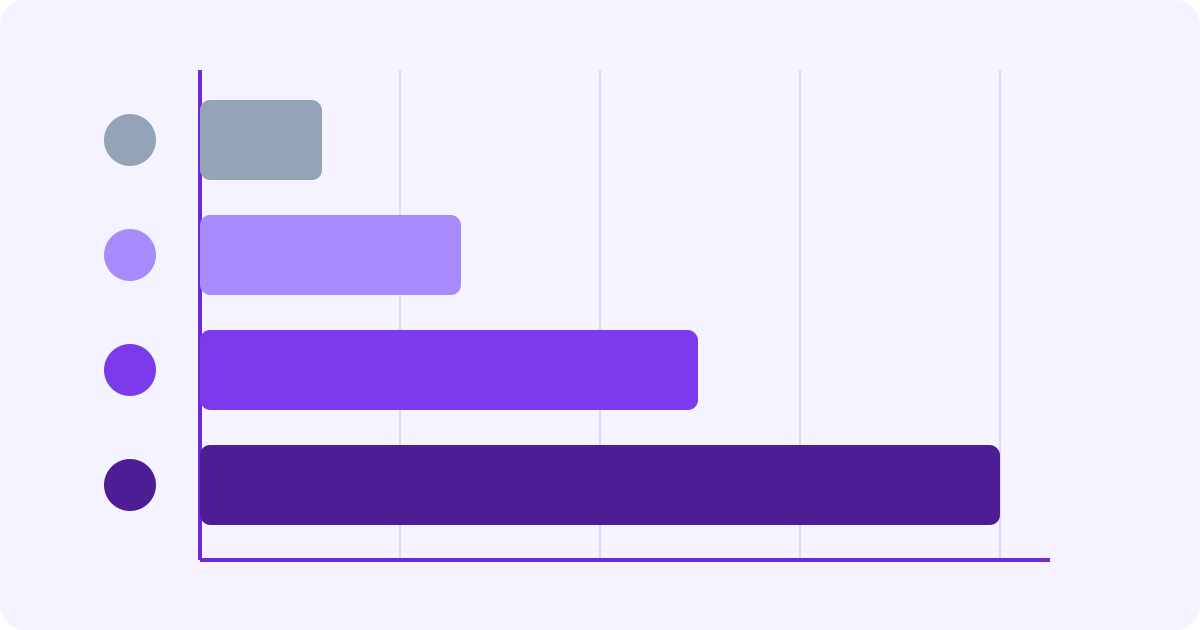
In this illustrative example for a family practice in a mixed-language community, Spanish organic visits per month rise from 150 to 980. The bars run from top to bottom in the same order as the table below, and each block (█) equals about 70 visits.
| Stage | Spanish organic visits per month | Bar chart |
|---|---|---|
| Home page translated only | 150 | ██ |
| Plus key service pages in Spanish | 320 | █████ |
| Plus real search terms and clinician review | 610 | █████████ |
| Plus language setup, provider pages and quarterly review | 980 | ██████████████ |
What Should Clinics Measure in Multilingual SEO?
Four measures show whether language pages help patients.
- Organic visits and bookings by language.
- Number of priority pages translated and clinically reviewed.
- Calls and requests for interpreters, which may fall as pages improve.
- Reviews and feedback in each language, tracked through your Google Maps profile.
What Rules Apply to Language Access?
Language access is a patient-safety and legal matter in healthcare.
- Healthcare organizations that receive federal funding may have language access duties, such as under Section 1557 of the Affordable Care Act. Ask your compliance advisor which rules apply to you.
- Do not rely on unreviewed machine translation for medical instructions or consent forms.
- Offer qualified interpreters and make that offer visible in each language.
- Do not use family members or children as interpreters for clinical matters unless the law and the patient's wishes allow it.
- Keep privacy rules the same in every language.
Methodology and Limitations
The numbers in this article come from an illustrative model created by Nova Reach Digital to show how each step may affect visits from Spanish-speaking patients. They are not drawn from a published study or a specific website, and no one can guarantee traffic or rankings. Results depend on the community, competition, quality of translation and site setup. This article is general information and not legal advice.
Related Reading
- Healthcare AI Overviews guide
- Healthcare website accessibility
- Local SEO for multi-location providers
- Patient retention marketing
- Healthcare digital PR
Conclusion
Multilingual SEO treats each language as a real audience. Learn what your patients need, write with qualified help and set up language pages so that they are easy to find. If you want help with multilingual healthcare SEO, contact Nova Reach Digital or read more about our healthcare marketing services.
Get Directions
Frequently Asked Questions
Keep reading
What Are the Top Email Marketing Automation Tools for Small Businesses? Reading the Tool Comparison, the Five Steps and the Sample Email Bookings
A question-and-answer guide to choosing among the top email marketing automation tools for small businesses: what they do, why programs underperform, 5 steps, a weak vs stronger table, a sample bookings chart, rules and FAQs.
What Are the Top Social Media Automation Tools for Small Businesses? Reading the Tool Comparison, the Five Steps and the Sample Posting Time
A question-and-answer guide to choosing among the top social media automation tools for small businesses: what to automate, why accounts feel robotic, 5 steps, a weak vs stronger table, a sample time-savings chart, rules and FAQs.
How Do You Choose Among the Top Digital Marketing Agencies in NYC? Reading the Agency Types, the Five Steps and the Sample Cost Per Customer
A question-and-answer guide to choosing among the top digital marketing agencies in NYC: what agencies do, why businesses switch, 5 steps to choose, an agency-types table, a sample cost-per-customer chart, rules and FAQs.
Put These Ideas to Work with NovaReach
Automate your marketing, launch AI voice agents, and keep every lead moving, all from one dashboard.