How Does a Healthcare SEO Audit Find the Fixes That Matter? Reading the Audit Scope, the Five Steps and the Sample Issue Reduction
A question-and-answer guide to the healthcare SEO audit: why audits fail, 5 steps from scope to a ranked action plan, a checklist table, a sample open-issues graph, privacy rules and FAQs.

A healthcare SEO audit is a structured review of your hospital or clinic website that finds what stops patients and search engines from finding, understanding and trusting your pages, and ranks the fixes by impact. Many practices run an audit once, receive a long list of problems and fix nothing. A useful audit is shorter, ordered by patient impact and repeated on a schedule. This guide explains, in a question-and-answer format, how to run an audit in five steps, how to rank the findings and how to track progress, all with organic methods only.
Key Findings
- 5 steps make an audit useful: a clear scope, a technical check, a content and page check, a local and trust check, and a ranked action plan.
- In the illustrative model below, open critical issues fall from 48 to 5 over a few audit cycles when all five steps are followed.
- Ranking by impact is the turning point in the sample, because teams fix the issues that affect bookings first.
- 4 numbers are enough to track progress: critical issues open, pages indexed correctly, organic appointment requests and ranking for key services.
- All figures in this article are illustrative examples, not guaranteed results.
What Is a Healthcare SEO Audit?
It is a health check for your website's visibility. It looks at how search engines crawl and index your pages, whether each page matches a real patient search, whether your local information is correct and whether the site feels trustworthy. It is the starting point for work such as keyword research, link building and content marketing.
Why Do Many SEO Audits Fail to Help?
Most audits fail because the findings are not turned into a plan. Common causes include:
- The report lists hundreds of issues with no sense of which matter most.
- The audit stays technical and ignores whether pages match patient searches.
- Local and trust details, such as addresses and provider information, are skipped.
- Nobody owns the fixes, so the same issues appear next time.
- The audit is done once and never repeated.
How Can Practices Run a Healthcare SEO Audit? 5 Steps
1. Set the Scope and the Goal
Decide what the audit must help you achieve. A common goal is more organic appointment requests for three or four priority services. List the locations, services and providers in scope, and gather your current organic visits, calls and booking numbers as a baseline.
2. Check the Technical Basics
Make sure search engines can reach and understand your pages. Review which pages are indexed, how fast pages load on a phone, whether the site uses secure connections and whether broken links and duplicate pages exist. For larger sites, templates are a common source of repeated errors, as covered in our guide to title tags at scale.
3. Review Page Content and Structure
Check whether each key page answers a clear patient search. Review titles, headings and descriptions against the ideas in fixing headings for small hospitals, service, town and practice title tags and snippet writing. Look for thin pages, overlapping pages and gaps that a FAQ page or a new service page could fill.
4. Check Local and Trust Signals
Patients and search engines both look for proof that you are real and reliable. Compare your address, phone and hours across your website, Google profile and directories, using the steps in our guide to local citations and NAP consistency. Review provider pages, your Google Maps presence and your review handling.
5. Rank the Findings and Make an Action Plan
Sort issues by patient impact and effort, then assign an owner and a date. Fix problems that block priority service pages first, such as pages that are not indexed or that load slowly on phones. Group quick fixes into a two-week sprint and plan larger projects, such as a new site architecture, across the quarter.
| Area | What to check | Typical fix |
|---|---|---|
| Technical | Indexing, speed, security and broken links | Correct indexing rules and compress images |
| Content | Titles, headings, thin and overlapping pages | Rewrite and merge pages by patient search |
| Local | Name, address, phone and hours | Update listings from one source of truth |
| Trust | Provider pages, reviews and clear policies | Complete provider profiles and reply to reviews |
| Plan | Owner, date and impact for each issue | Two-week sprints and a quarterly roadmap |
How Many Issues Can a Repeating Audit Remove? A Sample Graph
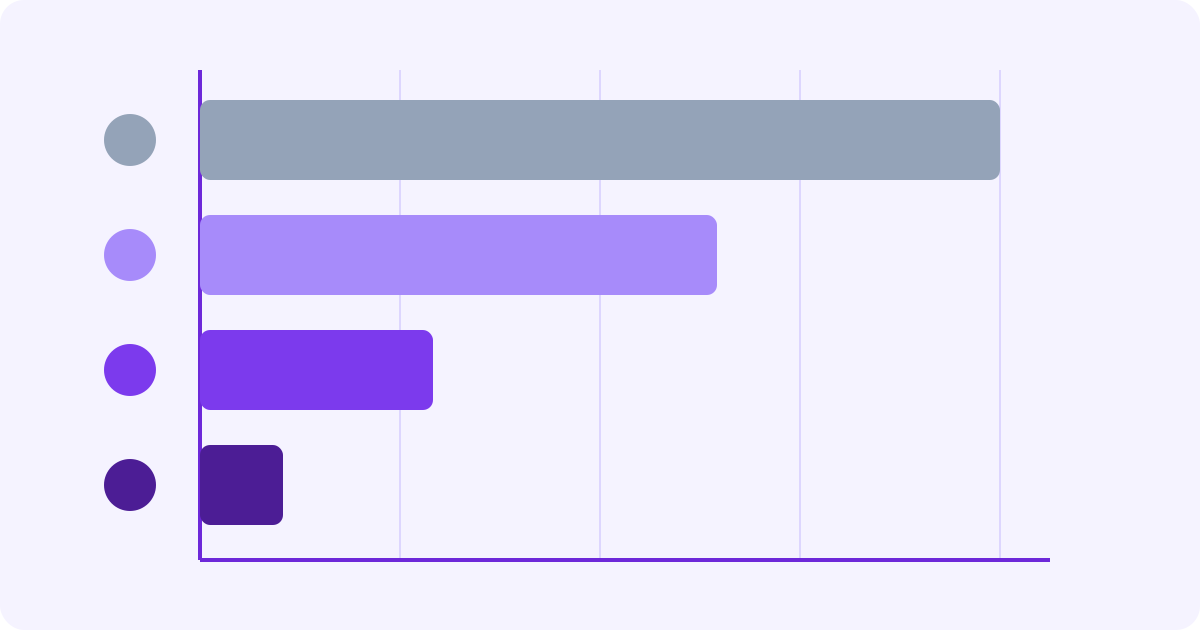
In this illustrative example for a four-location group, open critical issues fall from 48 to 5. The bars run from top to bottom in the same order as the table below, and each block (█) equals about 3 issues.
| Stage | Open critical issues | Bar chart |
|---|---|---|
| Before the first audit | 48 | ████████████████ |
| After the technical fixes | 31 | ██████████ |
| After content and local fixes | 14 | █████ |
| After a ranked plan and a second audit | 5 | ██ |
What Should Practices Measure After an Audit?
Four measures show whether the fixes are working.
- Number of critical issues still open, by category and owner.
- Percentage of priority pages that are indexed and load quickly on mobile.
- Organic appointment requests and calls from priority service pages.
- Ranking trend for your top services and locations over several months.
Link these numbers to your brand awareness and patient retention reports for a complete picture.
What Rules Should an Audit Respect?
Audits touch patient-facing pages, so they must respect privacy and honesty.
- Do not expose patient data or protected health information in audit screenshots or shared files.
- Check that forms and tracking tools follow HIPAA and your privacy policy.
- Fix pages that make claims you cannot support, such as guaranteed results.
- Limit access to analytics and tools to people who need them.
- Follow search engine guidelines and avoid risky shortcuts.
Methodology and Limitations
The numbers in this article come from an illustrative model created by Nova Reach Digital to show how a repeating audit may reduce open issues. They are not drawn from a published study or a specific website, and no one can guarantee rankings or traffic. Real results depend on the size of the site, available development time, competition and consistent follow-through. This article is general information and not legal advice.
Related Reading
- Openings, moves and closures for multi-location hospitals
- Website blueprint for small hospitals
- Specialty clinic site architecture
- Healthcare AI Overviews guide
- Healthcare video SEO
- Internal linking at scale for health systems
Conclusion
A good audit is short, ranked and repeated. Check the technical basics, the content, the local details and the trust signals, then fix the issues that affect patients first. If you want help with a healthcare SEO audit, contact Nova Reach Digital or read more about our healthcare marketing services.
Get Directions
Frequently Asked Questions
Keep reading
What Are the Top Email Marketing Automation Tools for Small Businesses? Reading the Tool Comparison, the Five Steps and the Sample Email Bookings
A question-and-answer guide to choosing among the top email marketing automation tools for small businesses: what they do, why programs underperform, 5 steps, a weak vs stronger table, a sample bookings chart, rules and FAQs.
What Are the Top Social Media Automation Tools for Small Businesses? Reading the Tool Comparison, the Five Steps and the Sample Posting Time
A question-and-answer guide to choosing among the top social media automation tools for small businesses: what to automate, why accounts feel robotic, 5 steps, a weak vs stronger table, a sample time-savings chart, rules and FAQs.
How Do You Choose Among the Top Digital Marketing Agencies in NYC? Reading the Agency Types, the Five Steps and the Sample Cost Per Customer
A question-and-answer guide to choosing among the top digital marketing agencies in NYC: what agencies do, why businesses switch, 5 steps to choose, an agency-types table, a sample cost-per-customer chart, rules and FAQs.
Put These Ideas to Work with NovaReach
Automate your marketing, launch AI voice agents, and keep every lead moving, all from one dashboard.