How Does a Healthcare Content Calendar Win Seasonal Searches? Reading the Seasonal Topics, the Five Steps and the Sample Traffic Growth
A question-and-answer guide to the healthcare content calendar: why content plans fail, 5 steps from seasonal search mapping to yearly refresh, an ad hoc vs planned table, a sample sessions graph, accuracy rules and FAQs.

A healthcare content calendar is a simple yearly plan that lists which health topics your practice will publish and update, and when, so that helpful pages are ready before patients start searching for them. Health searches follow the seasons: allergies in spring, sports physicals in summer, flu shots in autumn, and winter injuries and holiday stress. Practices that publish after the season has started miss most of the demand. This guide explains, in a question-and-answer format, how to build an organic content calendar in five steps, with a sample result and a checklist for medical accuracy. No paid promotion is needed.
Key Findings
- 5 steps build a useful calendar: mapping seasonal searches, choosing priority topics, assigning owners and review dates, publishing early and refreshing yearly.
- In the illustrative model below, organic sessions from seasonal health content rise from 800 to 3,300 per quarter when all five steps are in place.
- Publishing early gives the biggest lift in the sample, because pages need weeks to be found and ranked before the season peaks.
- 4 numbers are enough to track progress: seasonal pages published on time, organic sessions, appointment requests from those pages and pages refreshed.
- All figures in this article are illustrative examples, not guaranteed results.
What Is a Healthcare Content Calendar?
It is a plan that connects your services to the times of year when patients look for them. It lists topics, target pages, owners, clinical reviewers and dates for writing, review, publishing and refreshing. It uses the same research as healthcare keyword research and supports your broader content marketing.
Why Do Many Healthcare Content Plans Fail?
Most plans fail because they are built around the practice's calendar, not the patient's. Common causes include:
- Posts are written when someone has time, not before the season starts.
- New posts are created every year instead of updating pages that already rank.
- Nobody is responsible for clinical review, so publishing slows down.
- Topics are not linked to services, so visitors have no next step.
- There is no measurement, so the team cannot tell which topics work.
How Can Practices Build a Healthcare Content Calendar? 5 Steps
1. Map Seasonal Searches to Your Services
Start with what your practice offers and when patients need it. Examples include allergy care in spring, school and sports physicals in late summer, flu and vaccine information in autumn and injury or joint care in winter. Use your search reports, as described in our guide to Google Search Console, to see which topics already earn impressions.
2. Choose a Few Priority Topics Per Quarter
Quality beats volume. Pick three to five topics for each quarter and decide whether each needs a new page, an updated page or a new FAQ section. Support them with a short video where it makes sense.
3. Assign Owners and Clinical Review Dates
Every topic needs a writer, a clinical reviewer and a publish date. Ask a named clinician, such as the provider on the relevant bio page, to review medical statements, and set review dates well before the season.
4. Publish Early and Link to Services
Aim to publish four to eight weeks before demand peaks. Link each seasonal page to the relevant service page and booking path, using the structure in our website blueprint for small hospitals and the hub, spoke, book approach. Share the pages through your email campaigns and your social media.
5. Refresh the Same Pages Every Year
An updated page often beats a new one. Each year, check the facts, update dates and statistics, add new questions and republish with a clear "last reviewed" note. Include seasonal pages in your SEO audit, and use good title tags and meta descriptions each time.
| Step | Ad hoc approach | Planned calendar |
|---|---|---|
| Topics | Whatever comes to mind | Seasonal searches mapped to services |
| Volume | Many posts, little focus | 3 to 5 priority topics per quarter |
| Ownership | Unclear | Writer, clinical reviewer and dates |
| Timing | After the season starts | Published 4 to 8 weeks early |
| Upkeep | New post every year | Refresh and republish the same page |
How Much Can a Content Calendar Add? A Sample Graph
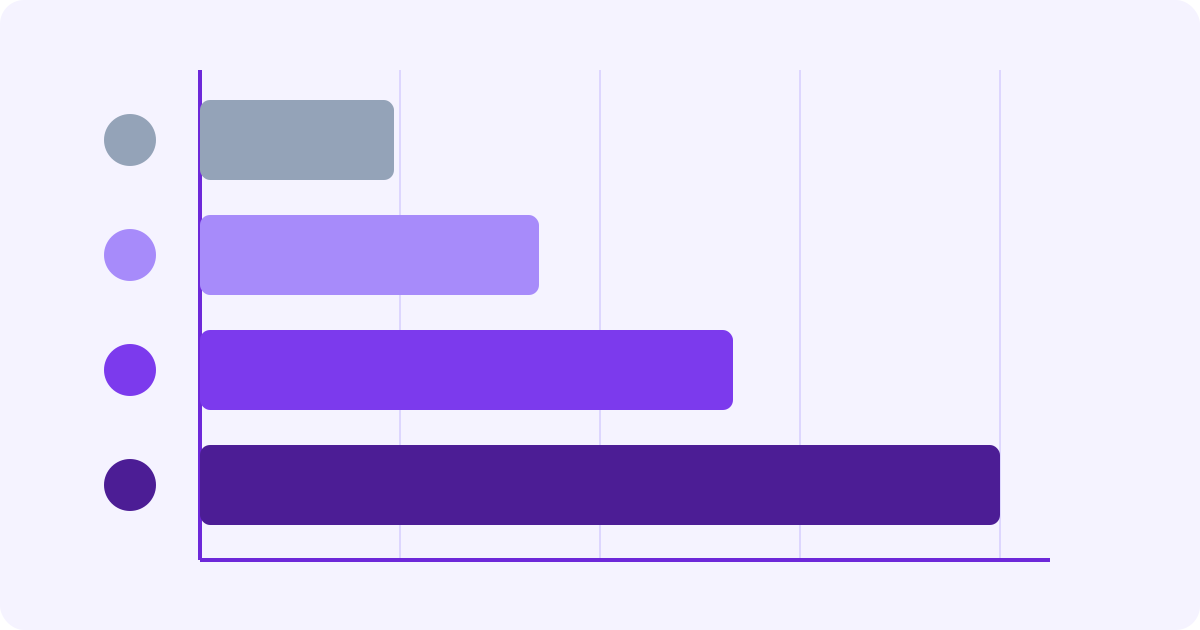
In this illustrative example for a family practice, organic sessions from seasonal health content rise from 800 to 3,300 per quarter. The bars run from top to bottom in the same order as the table below, and each block (█) equals about 200 sessions.
| Stage | Organic sessions per quarter | Bar chart |
|---|---|---|
| Ad hoc posts | 800 | ████ |
| Plus seasonal topic map | 1,400 | ███████ |
| Plus early publishing and service links | 2,200 | ███████████ |
| Plus yearly refresh and clinical review | 3,300 | ████████████████ |
What Should Practices Measure for a Content Calendar?
Four measures show whether the plan works.
- Percentage of seasonal pages published at least four weeks before the peak.
- Organic sessions and impressions for those pages.
- Appointment requests and calls that start on those pages.
- Number of pages refreshed each year with a clear review date, tracked alongside patient retention and brand awareness results.
What Accuracy Rules Apply to Health Content?
Health content must be accurate, current and careful.
- Have a qualified clinician review every medical statement before publishing, and show the review date.
- Use trusted public health sources for facts and statistics, and update them when guidance changes.
- Do not diagnose or give personal medical advice, and tell readers when to seek urgent care.
- Do not promise outcomes or use fear to attract visits.
- Never include patient stories or details without written permission that meets HIPAA requirements.
Methodology and Limitations
The numbers in this article come from an illustrative model created by Nova Reach Digital to show how each step may affect seasonal organic sessions. They are not drawn from a published study or a specific website, and no one can guarantee traffic or rankings. Results depend on competition, topics, site authority and consistent updates. This article is general information and not medical or legal advice.
Related Reading
- Healthcare AI Overviews guide
- AI patient engagement
- Healthcare digital PR
- Healthcare link building
- Multilingual healthcare SEO
- Healthcare reputation management
Conclusion
A healthcare content calendar helps your practice be ready when patients start searching. Map the seasons to your services, publish early, review medical facts carefully and refresh the same pages every year. If you want help building an organic content calendar, contact Nova Reach Digital or read more about our healthcare marketing services.
Get Directions
Frequently Asked Questions
Keep reading
What Are the Top Email Marketing Automation Tools for Small Businesses? Reading the Tool Comparison, the Five Steps and the Sample Email Bookings
A question-and-answer guide to choosing among the top email marketing automation tools for small businesses: what they do, why programs underperform, 5 steps, a weak vs stronger table, a sample bookings chart, rules and FAQs.
What Are the Top Social Media Automation Tools for Small Businesses? Reading the Tool Comparison, the Five Steps and the Sample Posting Time
A question-and-answer guide to choosing among the top social media automation tools for small businesses: what to automate, why accounts feel robotic, 5 steps, a weak vs stronger table, a sample time-savings chart, rules and FAQs.
How Do You Choose Among the Top Digital Marketing Agencies in NYC? Reading the Agency Types, the Five Steps and the Sample Cost Per Customer
A question-and-answer guide to choosing among the top digital marketing agencies in NYC: what agencies do, why businesses switch, 5 steps to choose, an agency-types table, a sample cost-per-customer chart, rules and FAQs.
Put These Ideas to Work with NovaReach
Automate your marketing, launch AI voice agents, and keep every lead moving, all from one dashboard.